



5등급 티타늄 판

|
제품 상세 정보:
|
|
| 원래 장소: | 중국 |
|---|---|
| 브랜드 이름: | JX |
| 인증: | ISO 9001 |
| 모델 번호: | TC4 |
|
결제 및 배송 조건:
|
|
| 최소 주문 수량: | 1KG |
| 포장 세부 사항: | 충격 흡수 폼 보드가있는 합판 상자 |
| 배달 시간: | 15-25일 |
| 지불 조건: | L/C, D/A, D/P, T/T, 서부 동맹, |
제품 설명
Overview
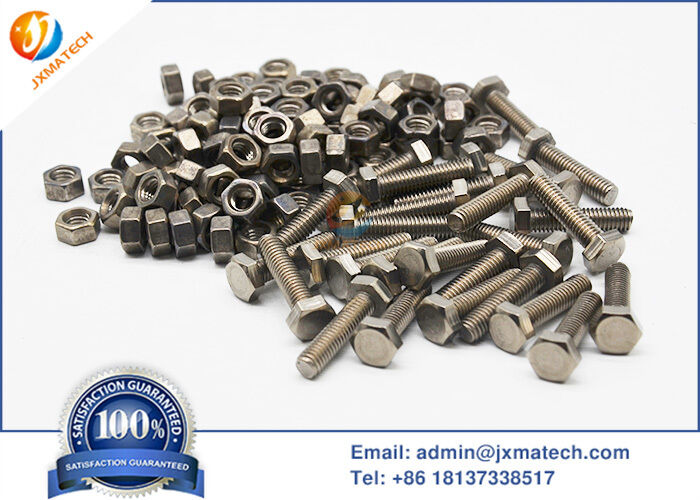
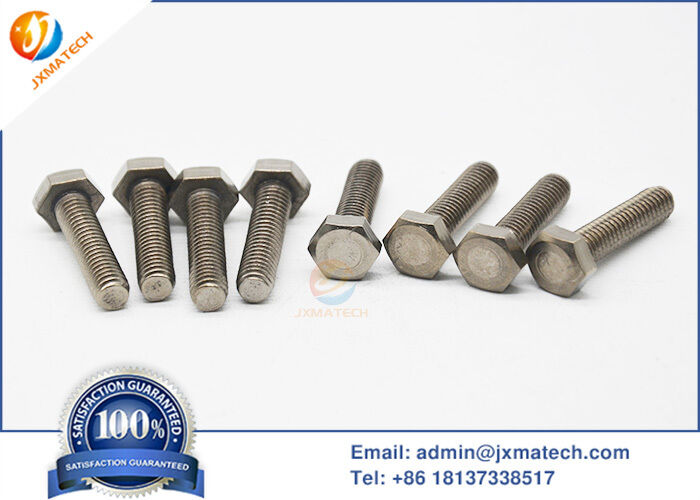
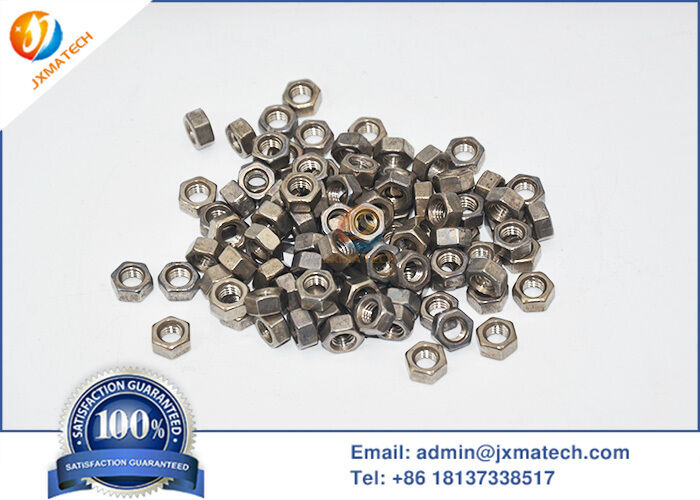
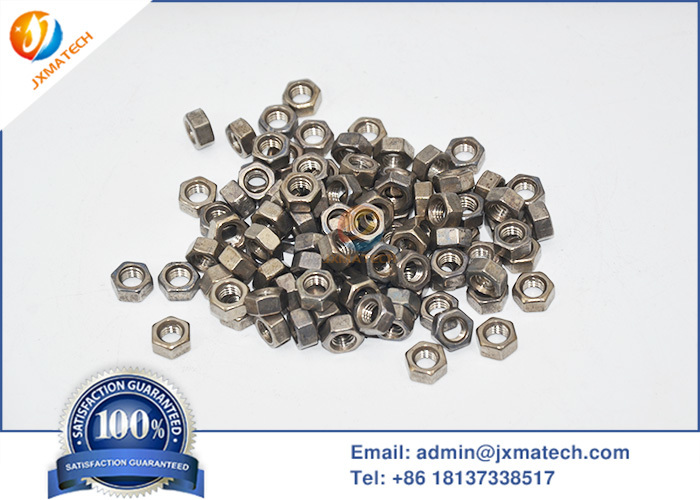
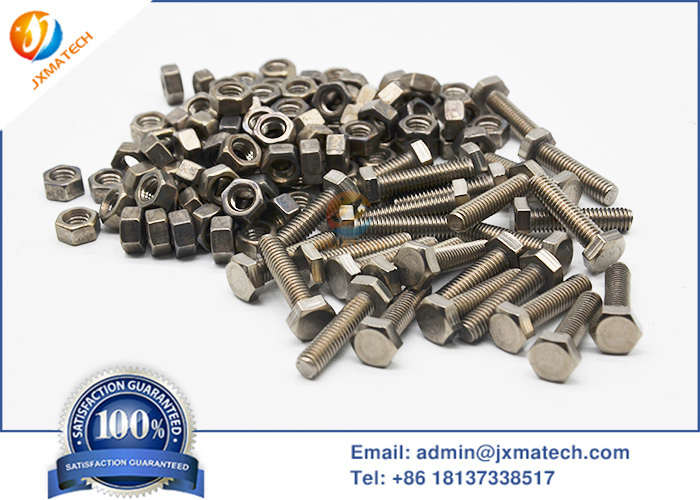
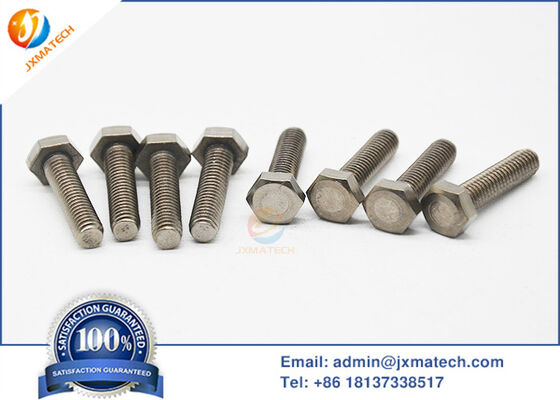
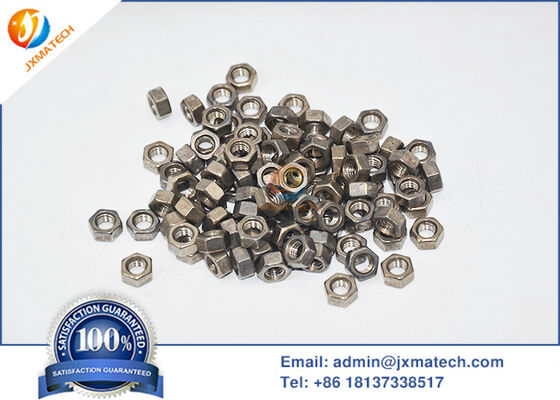
Custom Titanium Fasteners are connection elements made of titanium or titanium alloys, including bolts, screws, nuts, and washers, primarily used in high-performance applications. Titanium is a lightweight, high-strength metal, often alloyed with aluminum, vanadium, and other materials to form common alloys such as Ti-6Al-4V. These fasteners are widely used in aerospace, medical devices, marine engineering, and automotive manufacturing due to their unique properties, serving functions such as connection, fixation, weight reduction, and facilitating repair.
Titanium Features
Custom Titanium Fasteners Specification
| Grade | Gr1/Gr2/Gr5/Gr7/Gr9/Gr12/Gr23 |
| Size |
Nut: M4-M24 Bolt: M2-M48 |
| Length | 5mm-300mm |
| Density | 4.5 g/cm³ |
| MOQ | 10PCS |
| Surface | Grinding, Black |
| Delivery Time | 20DAYS |
| Standard | DIN 912, ASTM F468, GB/T 6170 |
| Certification | ISO 9001 |
Custom Titanium Fasteners Application
1. Aerospace (Core Applications)
Aerospace Titanium Fasteners are widely used in critical components such as aircraft frames, landing gear, skin connections, engine fans, and compressor discs. The extensive use of Titanium Fasteners (such as bolts and rivets) in aircraft and spacecraft significantly reduces structural weight. They maintain excellent mechanical properties across a wide temperature range of -250°C to 550°C, solving connection safety issues caused by thermal expansion and low-temperature contraction of the skin during high-speed flight. For example, the C919 passenger aircraft uses over 20,000 titanium alloy fasteners per frame, achieving significant weight reduction and thus improving fuel efficiency.
2. Biomedical
Titanium has excellent biocompatibility and corrosion resistance, is non-toxic to human tissue, and does not cause rejection reactions, making it a "biocompatible" metal. Titanium Alloy Fasteners are commonly used in the manufacture of bone screws in orthopedic surgery, pedicle screws in spinal fixation systems, and maxillofacial surgical fixation screws. The elastic modulus of Ti6Al4V titanium alloy screws is similar to that of human bone, promoting bone healing.
3. Automotive Industry
Titanium Nuts and Bolts are primarily used in racing cars, supercars, and high-end new energy vehicles, as well as in suspension control arms, linkages, and exhaust systems. They significantly reduce weight and improve vehicle handling and power response.
4. Marine Engineering
Deep-sea equipment: Used for connectors in propellers, waterjet propulsion systems, and deep-sea probes.
Seawater desalination: Used in pipe connections and heat exchangers in seawater desalination equipment.
Shipbuilding: Used in the manufacture of ship pumps, valves, piping systems, and hull structural connections, effectively preventing seawater corrosion.
5. Other Industries
Petrochemicals: Titanium Nut Bolts are used in the chlor-alkali industry, propylene oxide plants, and deep-well drilling equipment, resisting corrosion from strong acids, strong alkalis, and wet chlorine gas.
Sports Equipment: Used in golf club heads, tennis rackets, bicycle frames, and mountaineering equipment to reduce weight and improve durability.
Energy and power: Used for high-temperature and low-temperature resistant structural connections in nuclear power plant construction and wind power generation equipment.
Titanium Nut Bolt Process
① Select standard TC4 titanium alloy bars or wires. Oxide scale and impurities must be removed by pickling or sandblasting to prevent cracking during subsequent processing.
② For fasteners with complex shapes or extremely high dimensional accuracy requirements, directly use CNC machine tools for turning and milling.
③ Perform solution treatment and aging treatment to significantly improve strength and hardness while eliminating internal stress.
④ Use a thread rolling machine to cold roll the smooth section, then roll the transition between the bolt head and the shank to form a rounded corner.
⑤ Aluminize or anodize the surface to significantly improve wear resistance and corrosion resistance, and eliminate residual surface stress.
⑥ Conduct full-process testing on the finished product, including mechanical properties, non-destructive testing, dimensional accuracy, and visual inspection.
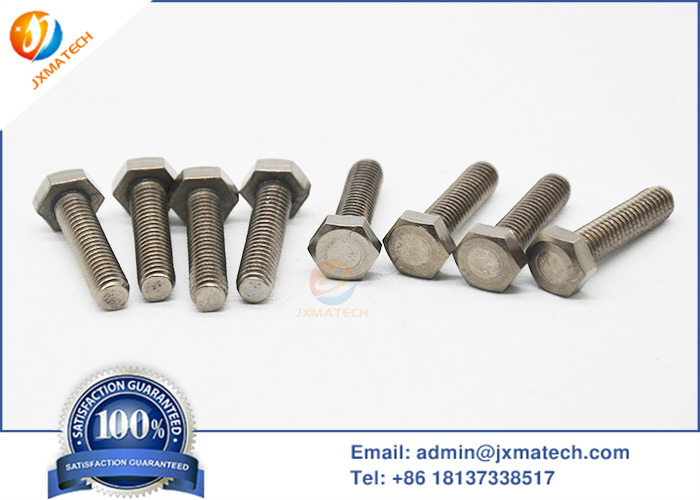
Custom Titanium Fasteners Pictures
Packing
당신의 메시지에 들어가십시오